You Can’t Think Your Way Out of an Overload
The problem most people misdiagnose
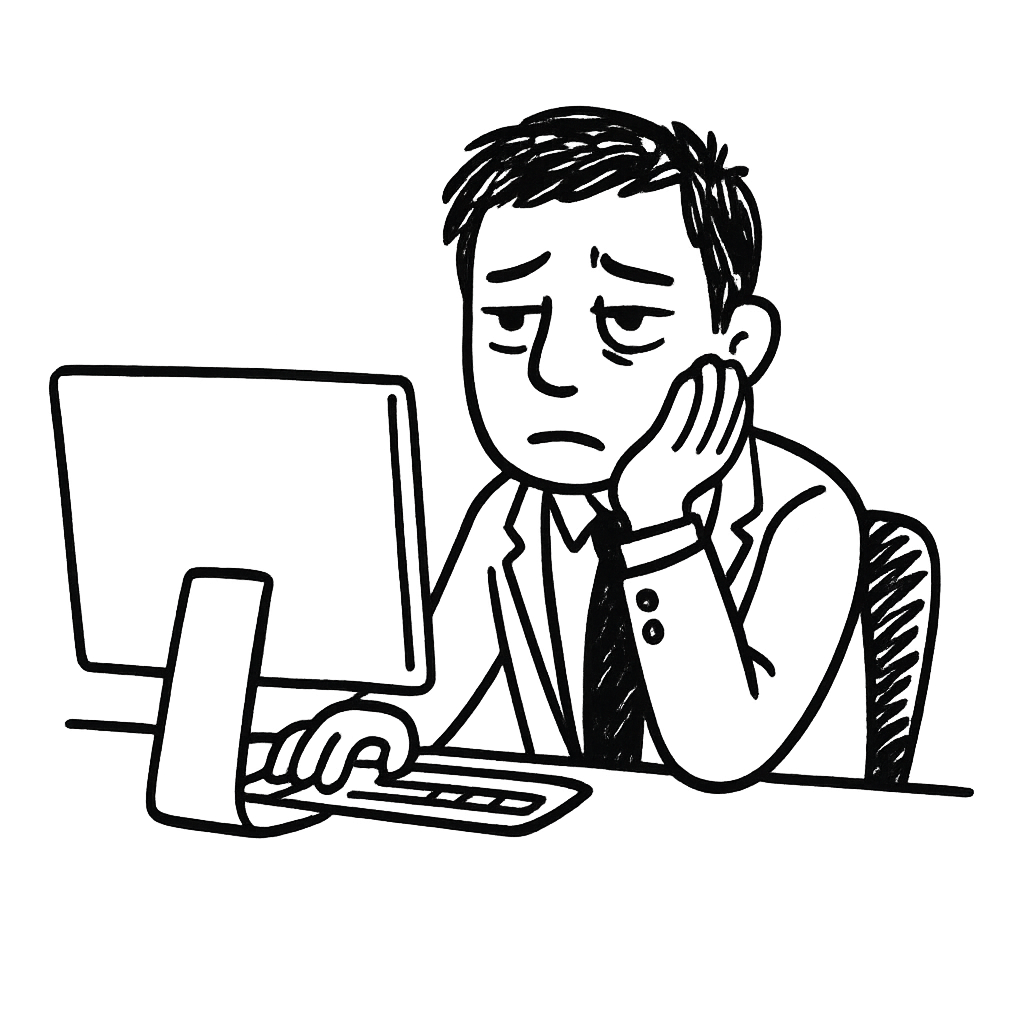
When you’re constantly tired, reactive, unfocused, or emotionally flat, the usual explanations show up fast:
- I need more discipline.
- I need a better mindset.
- I should be coping better.
But for many high-responsibility adults, the real constraint isn’t motivation, insight, or character.
It’s chronic nervous system overload.
When your autonomic nervous system stays in a prolonged high-alert state, the brain reallocates resources away from regions responsible for planning, emotional regulation, and flexible thinking, and toward survival-oriented responses. Under stress, the very circuits you rely on for self-control and good decision-making become harder to access.
This isn’t a personal failure.
It’s physiology.
And until that physiology changes, everything else feels harder than it should.
What “nervous system overload” actually means
Nervous system overload isn’t a medical diagnosis. It’s a practical way of describing reduced autonomic flexibility.
In a healthy system:
- Stress activates you
- The challenge passes
- Your body reliably returns to baseline
In an overloaded system:
- Activation happens more easily
- The stress response stays switched on longer
- Recovery is incomplete or inconsistent
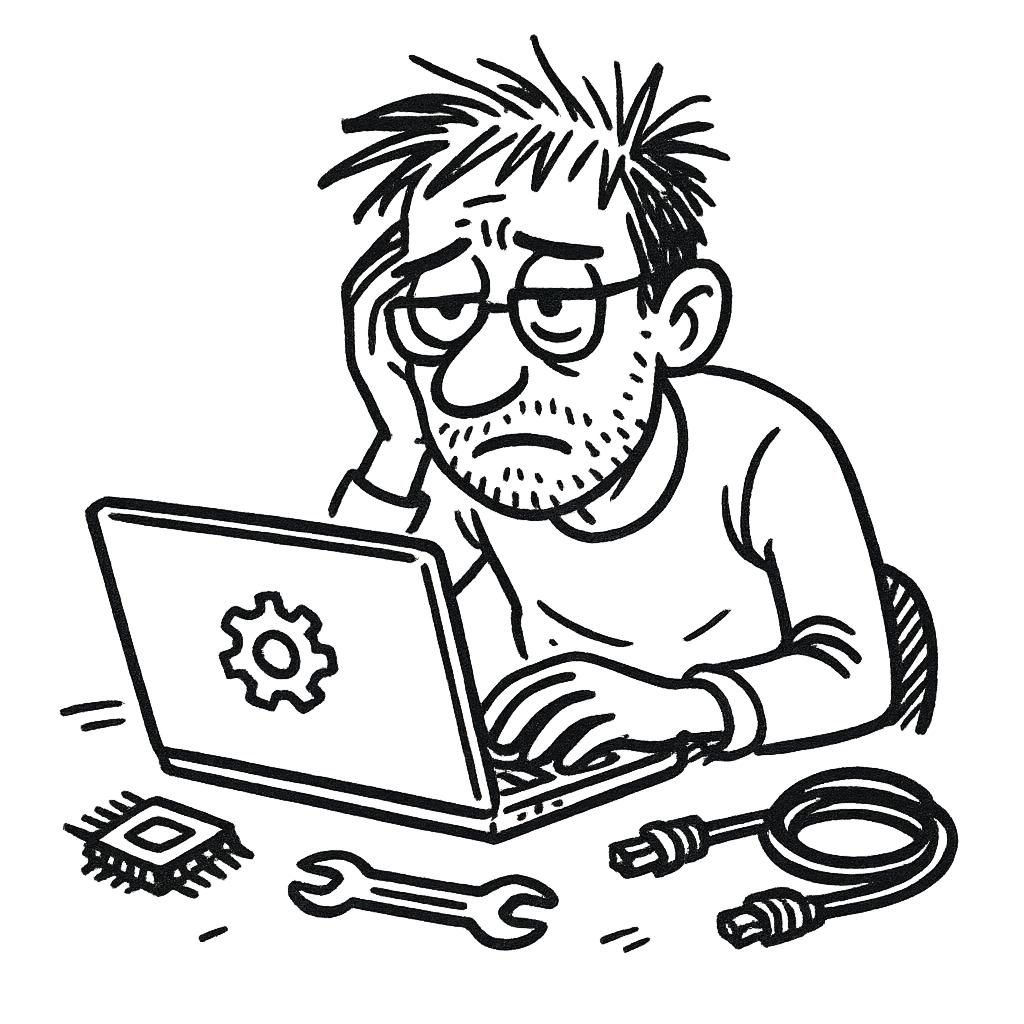
Over time, your “baseline” shifts. You may feel permanently keyed up, restless, or flat and depleted. This isn’t about how stressful your life looks from the outside. It’s about how effectively your nervous system can cycle between activation and recovery.
When this cycling breaks down, the body accumulates what researchers call allostatic load. This is the wear and tear that builds up when stress-response systems are repeatedly engaged without sufficient recovery.
The result is not constant crisis, but chronic strain: you’re functioning, but with less margin, less resilience, and less room for error.
How overload shows up in daily life
Most people notice nervous system overload not through theory, but through patterns that keep repeating despite effort.
Cognitive signs
- Brain fog or slowed thinking
- Difficulty switching tasks or seeing alternative options
- More mistakes, rereading, or forgetting simple things
- Procrastination that feels like paralysis rather than avoidance
These changes reflect reduced access to prefrontal executive functions under sustained stress, affecting planning, inhibition, and flexible thinking.
Emotional signs
- Irritability or a shorter fuse
- Anxiety spikes, rumination, or looping thoughts
- Emotional numbness or feeling checked out
- Knowing what would help, but being unable to apply it consistently
Under high physiological stress, emotional regulation strategies become less effective because the brain is operating in a more reactive mode.
Body and behaviour signs
- Shallow breathing; tight jaw, neck, or shoulders
- Feeling wired at night but unrested in the morning
- Increased reliance on scrolling, stimulants, or comfort habits
- Lower tolerance for ambiguity, nuance, or complex conversations
These aren’t character flaws. They’re common indicators that the nervous system is spending too much time activated and not enough time recovering.
Ready to make a change?
Your team is steady. Your job is predictable. Yet, the path you’re on doesn’t seem to lead where you want to be. Complacency and laziness might be getting the better of you.
It’s easy to ignore the warning signs when everything seems fine. Real growth happens when you question the status quo and act before the crisis hits.
Discover if coaching is your catalyst for change—risk-free, with no obligation.
In just one free session, you’ll:
- Unpack your unwritten goals and hopes for the future
- Gain clarity on your current reality—your environment, opportunities, and threats
- Get a clear path forward to realignment, momentum, and impact
Whether you’re a founder, team lead, or ambitious professional, this isn’t a sales pitch. It’s a powerful 1-hour strategy session designed to spark clarity and action.
No fluff. No obligations. Just a chance to check in and reset your trajectory.Get Started with a Free Session →
Why thinking harder doesn’t fix it
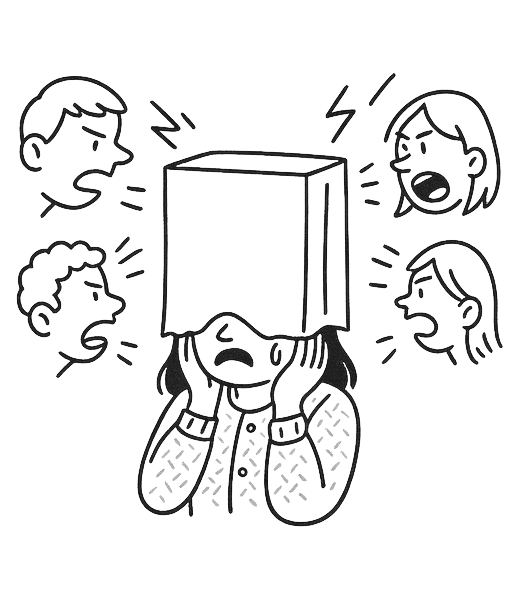
When you’re overloaded, the problem usually isn’t a lack of insight.
It’s access.
Under high stress, the brain shifts resources away from the prefrontal cortex toward faster, more reactive survival circuits.
In this state:
- Self-control weakens
- Emotional reactions intensify
- Attention narrows
- Learning and perspective-taking decline
This helps explain a common frustration: “I know what I should do, but I can’t seem to do it.”
Coaching, therapy, and cognitive strategies rely on the very systems that stress temporarily suppresses. When physiological arousal stays high, insight-based approaches often stall, not because they’re wrong, but because the nervous system isn’t in a state that can use them effectively.
This is why regulation often has to come before reflection.
What HRV can tell you (and what it can’t)
Heart Rate Variability (HRV) is one useful window into nervous system regulation. In simple terms, it reflects how much flexibility your autonomic nervous system has to respond to and recover from stress.
Higher vagally mediated HRV is generally associated with better self-regulation and executive functioning, especially inhibition and cognitive flexibility. Lower HRV is often seen during periods of chronic stress, poor sleep, illness, or burnout.
That said, HRV is not a verdict on your health or character.
What HRV is good for
- Spotting trends over time (weeks, not moments)
- Noticing when recovery is improving or declining
- Adjusting effort to capacity (push vs recover days)
What HRV is not
- A diagnosis
- A moral score
- A reliable single-day signal
HRV is influenced by many factors: sleep, alcohol, illness, training load, breathing patterns, and even measurement conditions. Used well, it’s like weather data that is most useful when viewed in patterns rather than isolated readings.

What actually helps: a practical reset sequence
If nervous system overload is the problem, the solution isn’t forcing yourself to cope better. It’s restoring regulatory capacity.
Step 1: Lower arousal first (2–10 minutes)
When arousal is high, start with the body.
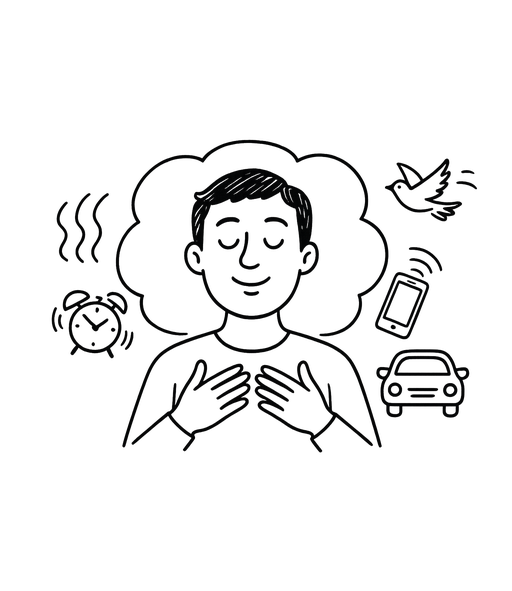
One of the simplest and most reliable tools is slow-paced (resonance) breathing:
- Inhale for ~4–5 seconds
- Exhale for ~5–6 seconds
- Aim for ~5–6 breaths per minute
- Continue for 5 minutes, then breathe normally for 1 minute
This breathing pattern supports vagal activity and helps shift the nervous system out of a constant alarm state.
Step 2: Train autonomic flexibility (10–20 minutes, most days)
Occasional calm is helpful. Trainable calm is better.
Practices like HRV biofeedback or consistent slow-breathing sessions strengthen the nervous system’s ability to recover more quickly from stress. Think of this as building a stronger “brake pedal,” not eliminating stress altogether.
Step 3: Protect recovery inputs
Chronic overload is often a recovery problem, not a stress problem.
Choose one stabiliser to start:
- A consistent wake-up time
- A caffeine cutoff
- Morning light and a short walk
- A brief breathing or pause ritual between work and home
These inputs matter because they shape your baseline, not just your peak performance.
Step 4: Then do the cognitive work
Once arousal comes down, tools like coaching, therapy, planning, and difficult conversations become far more effective.
Sequence matters: regulate → reflect → reframe → act.
When to get help
A nervous system overload is not the only explanation for distress, and it shouldn’t be used to dismiss real medical or mental health concerns.
Seek medical attention promptly if you experience:
- Chest pain or pressure
- Shortness of breath
- Fainting or near-fainting
- New or severe palpitations
- Neurological symptoms (e.g. weakness, numbness, confusion)
If you’re experiencing persistent panic, depression, trauma-related symptoms, or difficulty functioning day to day, working with a qualified clinician is important. Nervous system regulation tools can support recovery, but they don’t replace proper medical or psychological care.
Think of regulation as a foundation for getting the right kind of help when it’s needed.
Ready to make a change?
Your team is steady. Your job is predictable. Yet, the path you’re on doesn’t seem to lead where you want to be. Complacency and laziness might be getting the better of you.
It’s easy to ignore the warning signs when everything seems fine. Real growth happens when you question the status quo and act before the crisis hits.
Discover if coaching is your catalyst for change—risk-free, with no obligation.
In just one free session, you’ll:
- Unpack your unwritten goals and hopes for the future
- Gain clarity on your current reality—your environment, opportunities, and threats
- Get a clear path forward to realignment, momentum, and impact
Whether you’re a founder, team lead, or ambitious professional, this isn’t a sales pitch. It’s a powerful 1-hour strategy session designed to spark clarity and action.
No fluff. No obligations. Just a chance to check in and reset your trajectory.Get Started with a Free Session →
The real takeaway
If thinking, deciding, regulating emotions, following through feels harder than it should, it may not be a mindset problem.
It may be a state problem.
When your nervous system is overloaded, capacity shrinks. Not permanently, but predictably. And no amount of insight or self-discipline can fully compensate for a system that hasn’t had the chance to recover.
The good news is that nervous system flexibility is trainable.
By restoring regulation first, you often regain:
- clearer thinking
- steadier emotions
- better recovery
- and a wider capacity for coaching, therapy, and self-leadership to actually work
You’re not broken.
Your nervous system may just be doing its best with the load it’s been carrying.
References
Arnsten, A. F. T. (2009). Stress signalling pathways that impair prefrontal cortex structure and function. Nature Reviews Neuroscience, 10(6), 410–422. https://doi.org/10.1038/nrn2648
Arnsten, A. F. T. (2015). The effects of stress exposure on prefrontal cortex: Translating basic research into successful treatments. Neurobiology of Stress, 1, 89–99. https://doi.org/10.1016/j.ynstr.2014.10.002
Goessl, V. C., Curtiss, J. E., & Hofmann, S. G. (2017). The effect of heart rate variability biofeedback training on stress and anxiety: A meta-analysis. Psychological Medicine, 47(15), 2578–2586. https://doi.org/10.1017/S0033291717001003
Raio, C. M., Orederu, T. A., Palazzolo, L., Shurick, A. A., & Phelps, E. A. (2013). Cognitive emotion regulation fails the stress test. Proceedings of the National Academy of Sciences, 110(37), 15139–15144. https://doi.org/10.1073/pnas.1305706110
Thayer, J. F., & Lane, R. D. (2009). Claude Bernard and the heart–brain connection: Further elaboration of a model of neurovisceral integration. Neuroscience & Biobehavioral Reviews, 33(2), 81–88. https://doi.org/10.1016/j.neubiorev.2008.08.004
McEwen, B. S., & Stellar, E. (1993). Stress and the individual: Mechanisms leading to disease. Archives of Internal Medicine, 153(18), 2093–2101. https://doi.org/10.1001/archinte.1993.00410180039004
Programs & Pricing
Free Trial
Discover if this coaching relationship is right for you.
What's included:
- Review of work, self-care and relationships
- Strategies to navigate current challenges
- Clear, actionable steps to move forward
Pricing
- Free for one month!
Unlimited Coaching Program
Gain clarity, lead better, influence with confidence.
What's included:
- Unlimited 1-to-1 virtual coaching sessions*
- App guided daily practices to support your goals
- Weekly training videos with measurable progress
Pricing
- Monthly: SGD$270
- Annual: SGD$2,700 (that's two months free!)

Stop putting out fires and start making real progress.
Free Discovery Session
In just one hour, uncover what’s holding you back, tap into your strengths, and chart a clear, actionable path forward.
Take steps that shape the future, not just survive the day.
Get Started - Free Session